
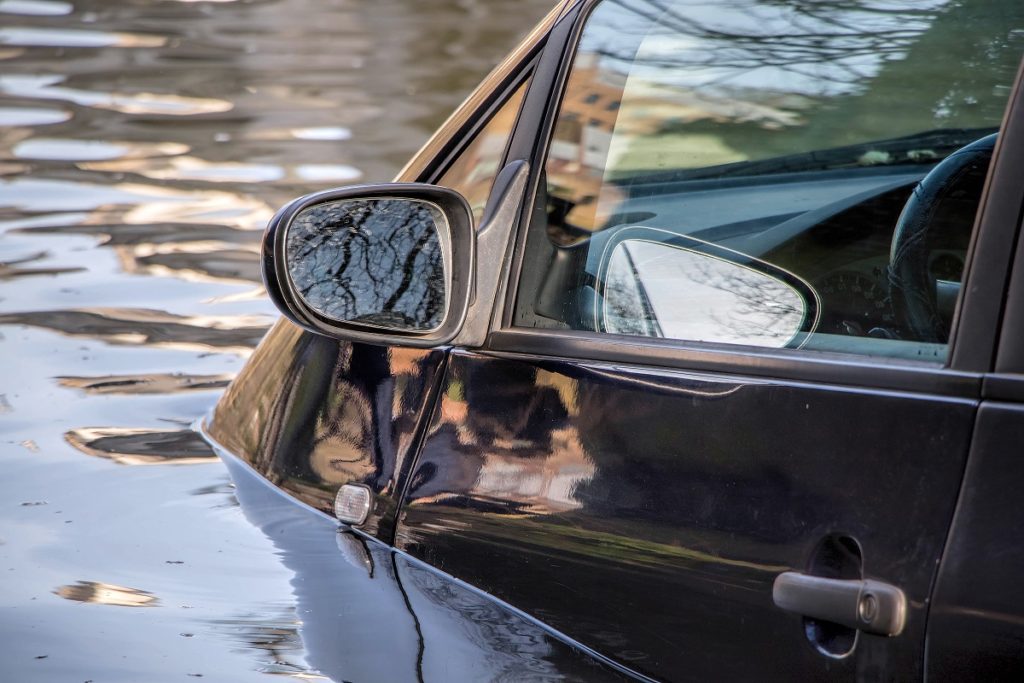
The dangers of driving in floodwater may not seem like a big deal, but rising floodwater can turn deadly in a matter of minutes. Flooding on roadways is serious business, so you need to know when to turn around.
According to the National Weather Service,
“It takes just 12 inches of rushing water to carry away a small car, while 2 feet of rushing water can carry away most vehicles.” Even as little as 6 inches of water can cause serious damage to your vehicle. With the summer months being prime times for flash flooding in the United States, this article will take a look at some expert tips to help you stay safe during one of dangerous situations.
In This Article
Check the Forecast
Turn Around, Don’t Drown
If you encounter Standing Water
If Driving Through Floodwater Is Unavoidable
Check the Forecast
Being aware of possible dangers ahead of time is the first step in protecting yourself. Before heading out for the day, it’s important to check the local weather forecast for the possibility of heavy rain, thunderstorms, and flash flood warnings.
Turn Around, Don’t Drown
Drivers who get stuck in floods aren’t risk-takers. Like most people, they just underestimate how dangerous a low-water crossing can be.
However, sometimes even despite the forecast, we have to go out on the road. In that situation, Driver’s Education company Aceable offers the most practical advice for dealing with flash flooding, “The best thing you can do to protect yourself and your car when there’s a flood is to follow this advice: Turn Around, Don’t Drown (TADD). If you come upon a roadway that appears to be flooded, DON’T try to drive through it. If you come across barricades blocking off a flooded section of the road, DON’T try to drive around them. Turn around and find a detour. It’s closed for a reason. Don’t destroy your car or risk your life due to impatience.”
If You Encounter Standing Water
If you find yourself facing a flooded roadway, do your best to gauge how deep the water is. Allstate explains: “driving through floodwater is dangerous, as it only takes 12 inches of water for a small sedan or SUV to float,” says the National Weather Service. You should also avoid driving through large puddles.
If Driving Through Floodwater is Unavoidable
If you have absolutely no other options, and are forced to drive through a flooded road, Progressive offers the following advice: drive slowly and steadily through the water.
- Avoid driving in water with downed electrical or power lines— electric current passes through water easily.
- Watch for items traveling downstream — they can trap or crush you if you’re in their path.
- If you have driven through water up to the wheel rims or higher, test your brakes on a clear patch of road at low speed. If they are wet and do not stop the vehicle as they should, dry them by pressing gently on the brake pedal with your left foot while maintaining speed with your right foot.
- Stay off your telephone when navigating flood waters, unless you must report an emergency.
- If your vehicle stalls in deep water, do not attempt to restart it. Restarting may cause irreparable damage to the engine, so have your car towed to a professional mechanic to assess its condition.
- If you can’t restart your vehicle and you become trapped in rising water, immediately abandon it for higher ground. Try to open the door or roll down the window to get out of the vehicle. Note: only step out if you can walk safely to dry ground without fighting moving currents.
- In an emergency or if you are unable to get out safely, call 911 or get the attention of a passerby or someone standing on higher ground so that they may call for help.












 Motorlease Fleet Management & Leasing Solutions